I’ve been testing 3D scanning hardware and apps for years and this is one of the fastest and easiest ones that I’ve used. It’s great to see how far the technology has come in both quality and cost reduction. I bought the 2020 iPad pro specifically for the new lidar sensor and applications like this. If you already have an iPad with this sensor (or hopefully iPhone when they come out), definitely download 3dScannerApp and try it out - it’s free!
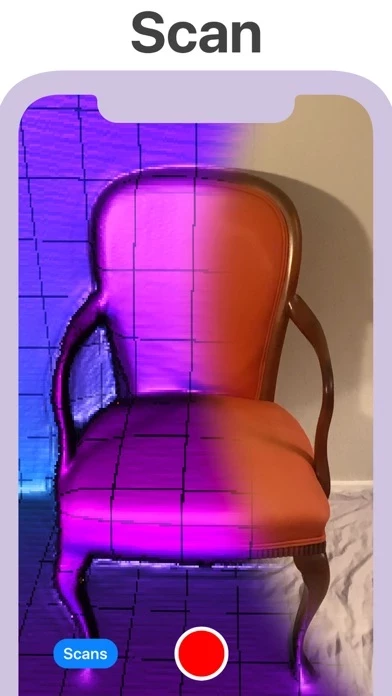
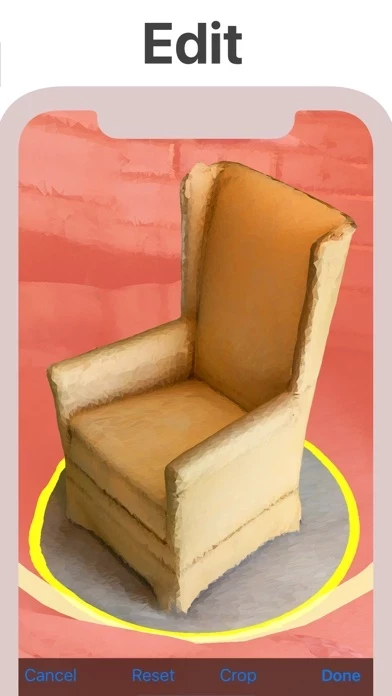
The mesh is generated quickly thanks to Apple’s lidar sensor and 3dScannerApp shows the triangles in realtime as they are generated and refined. Note that 3dScannerApp is best for capturing large areas and not small objects. After the geometry has been captured, there is a button for applying the texture. 3dScannerApp captures high res photos while scanning and those photos are then used to color each triangle. The texture detail is pretty good, especially for the output file size, which is only a few MBs. It appears that each triangle is textured from just one photo which makes for a sharper image, however it also adds artifacts between two triangles from different photos with slightly different lighting or perspective.
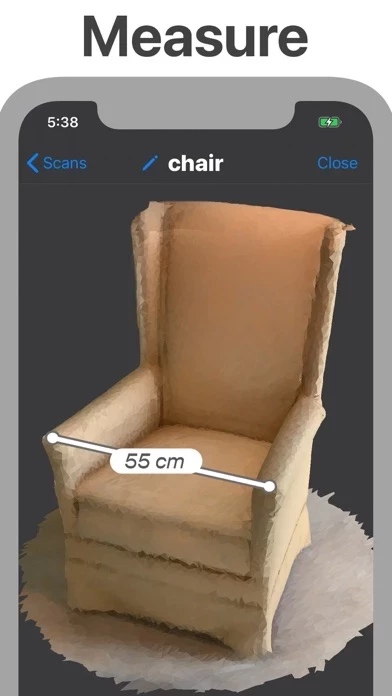
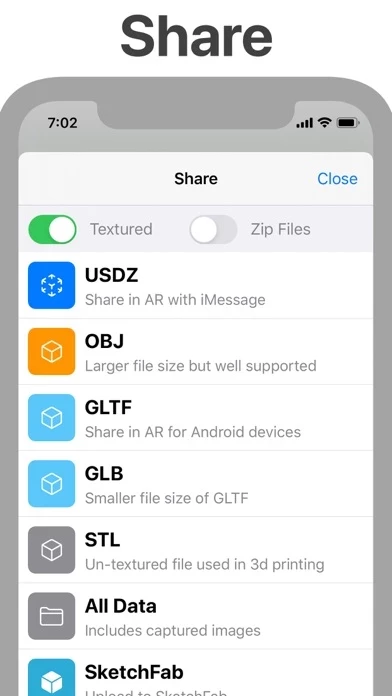
In 2020, pretty much all 3D scans require some amount of manual cleanup in for professional use, even ones from high end devices. Scans from 3dScannerApp can be used as reference material for further modeling or shared easily as a quick and dirty 3D capture. The file export formats and share options available are great. If you don’t know what output you want, I’d suggest USDZ for sharing with Apple users and GLB for everything else.
For some additional context, I founded the Wayfair Next team in 2015, and one of our objectives was to explore emerging scanning technologies. I now run a company called 3XR, which helps brands digitize their products. Here are other scanning technologies that I’ve tried:
2010 - Microsoft Kinect (PrimeSense camera, - note that Apple bought PrimeSense in 2013 and the current lidar sensor is most likely a miniaturized version of it)
2013 - Occipital Structure Sensor ($350 attachment for iPads)
2013 - Dot Product DP-7 hand-held scanner ($5,000 android tablet with a PrimeSense camera)
2014 - Google Tango, developer tablet ($1,200, standalone)
2014 - Matterport scanner ($5,000 black box on a tripod with 3x PrimeSense cameras)
2015 - HP Sprout Computer ($2,000)
2015 - Artec Spider ($25,000 laser scanner, needs a PC)
2015 - Intel RealSense F200 dev kit ($200, needs a PC)
2016 - Lenovo Phab 2 Pro ($500, Google Tango phone)
2016 - HoloLens ($3,000 AR headset, tracking sensors)
2017 - Asus ZenFone AR ($600, Google Tango phone)
2018 - Occipital Bridge (MR headset / iPhone holder)
2018 - Magic Leap ($2,600 AR headset, tracking sensors)
2018 - Artec Leo ($25,000 standalone laser scanner)
2020 - HoloLens 2 ($3,500 AR headset, tracking sensors)